Easy pace
25–45 minutes of walking uphill, cycling, rowing, or running. You should be able to speak in full sentences.
1–3 times / weekStrength and conditioning / Issue 03
Three focused sessions can move your training forward. Use the main movement patterns, add load when the reps are clean, and keep enough energy for everything outside the gym.
See the weekly framework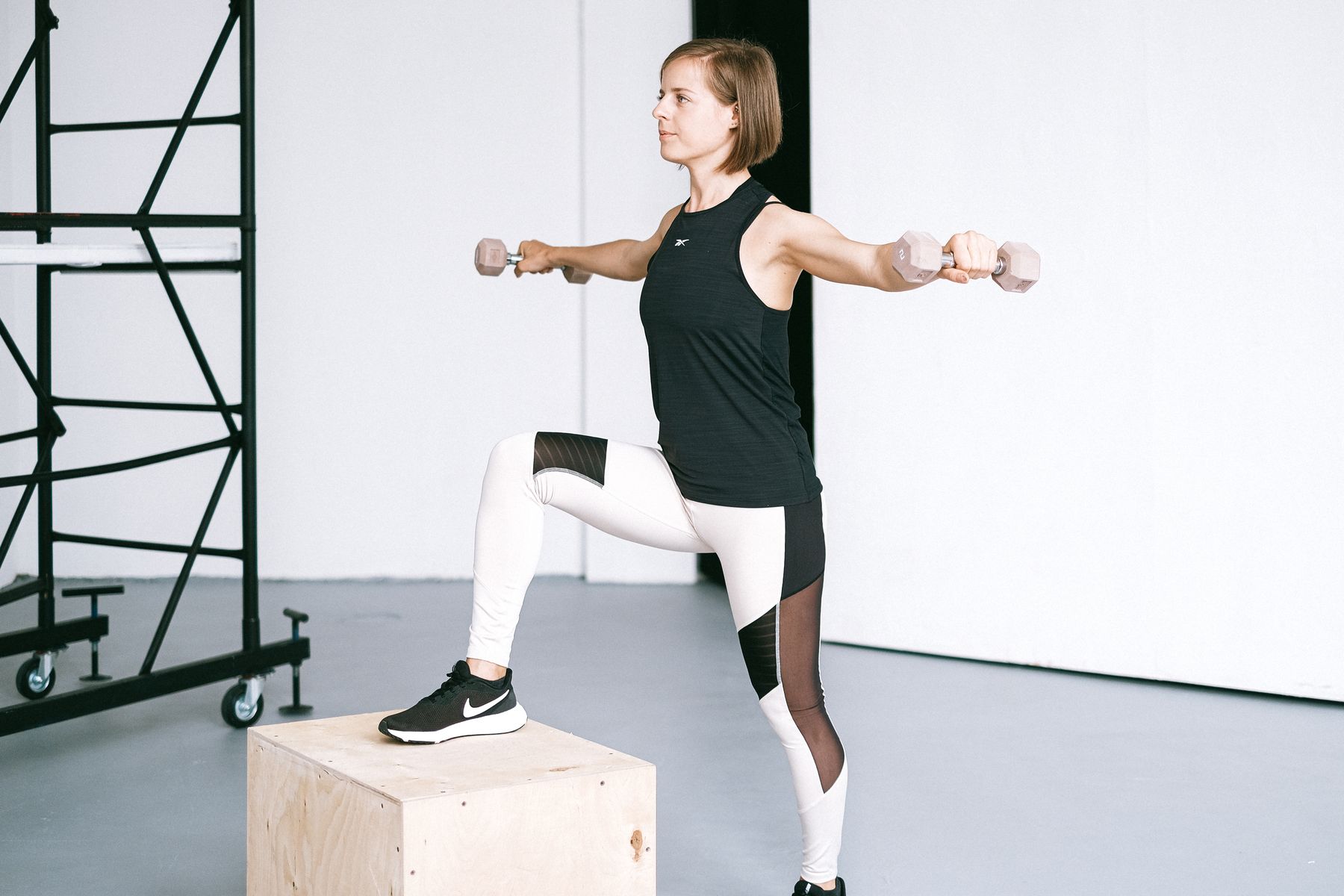
An example, not a prescription
Move the days to fit your schedule. Keep at least one easy or rest day between the harder strength sessions, and reduce volume when sleep or work is unusually demanding.
This sample week is general education, not personalized medical or professional advice. Choose movements and effort appropriate to your experience and health.

Session 01 / Full body
Warm up for five minutes, then complete each exercise in order. Rest long enough to make the next set tidy.
Keep the weight close; pause briefly at the bottom.
Use a bench or wall if the floor version loses shape.
Brace with the free hand and pull toward the back pocket.
Keep most of your weight over the front foot.
Walk tall without leaning away from the weight.
Next time: add one rep to each set. Add load only after every set reaches the top of its range with steady technique.
How to make the plan work
Keep the same main lifts for four to six weeks. Familiar movements make it easier to judge whether load, reps, and control are improving.
Most sets should end before technique breaks. One or two possible reps left in reserve is a useful default for general training.
Progress can be one rep, a little load, or better control. Change one variable at a time and record it.
On a crowded week, do two sets instead of four. Keeping the appointment often matters more than completing the ideal version.
Conditioning / Two gears
Most conditioning does not need to feel like an exam. Keep easy work conversational. Save hard breathing for short, planned interval sessions.
25–45 minutes of walking uphill, cycling, rowing, or running. You should be able to speak in full sentences.
1–3 times / weekSix rounds of one minute brisk and two minutes easy. Finish feeling that one more round was possible.
Up to 1 time / week
Movement file / Hinge
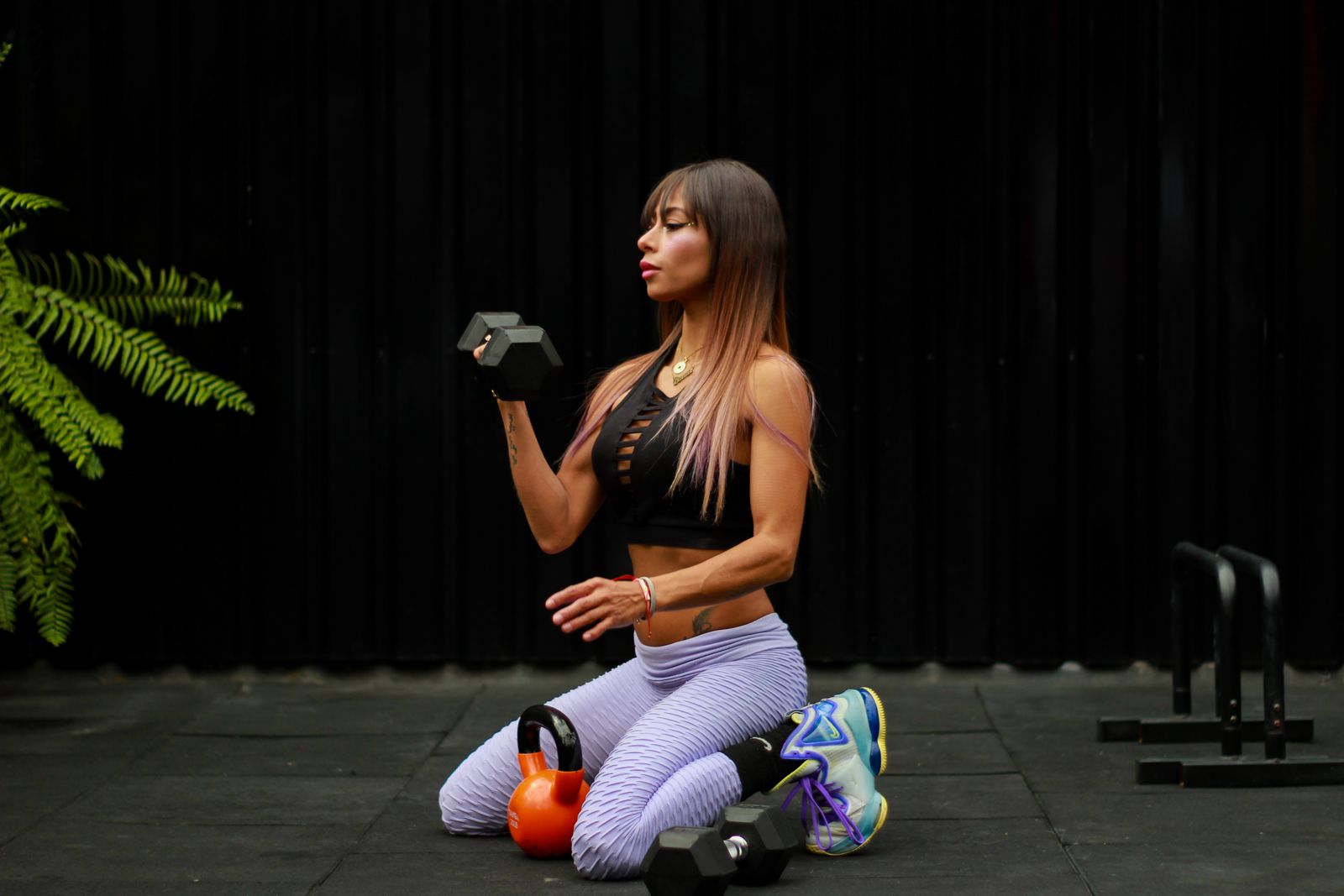
The hinge trains the back of the legs and teaches you to move from the hips while the trunk stays braced. Start with a light Romanian deadlift or kickstand deadlift.
Watch for: the weight drifting forward, the back rounding, or turning the hinge into a squat.
Recovery is part of the program

A shorter session after poor sleep is usually more useful than forcing a personal best.
Walking and easy mobility can help you feel less stiff. They do not need to become workouts.
Return with roughly two-thirds of your previous sets or load. Build back over the next few sessions.
Do not train through sharp or worsening pain. Stop the movement and seek qualified guidance when needed.
Field notes
Short explanations for common training problems—written to help you make the next decision, not overhaul the whole plan.
 Conditioning / 5 min
A restrained start gives the session room to improve instead of unravel.
Read the conditioning guide Programming / 6 min
Progress is easier to see when the measuring stick does not change every Monday.
Read the training rules Recovery / 4 min
Reduce the dose, keep the movements familiar, and resist the urge to catch up.
Read the return notes